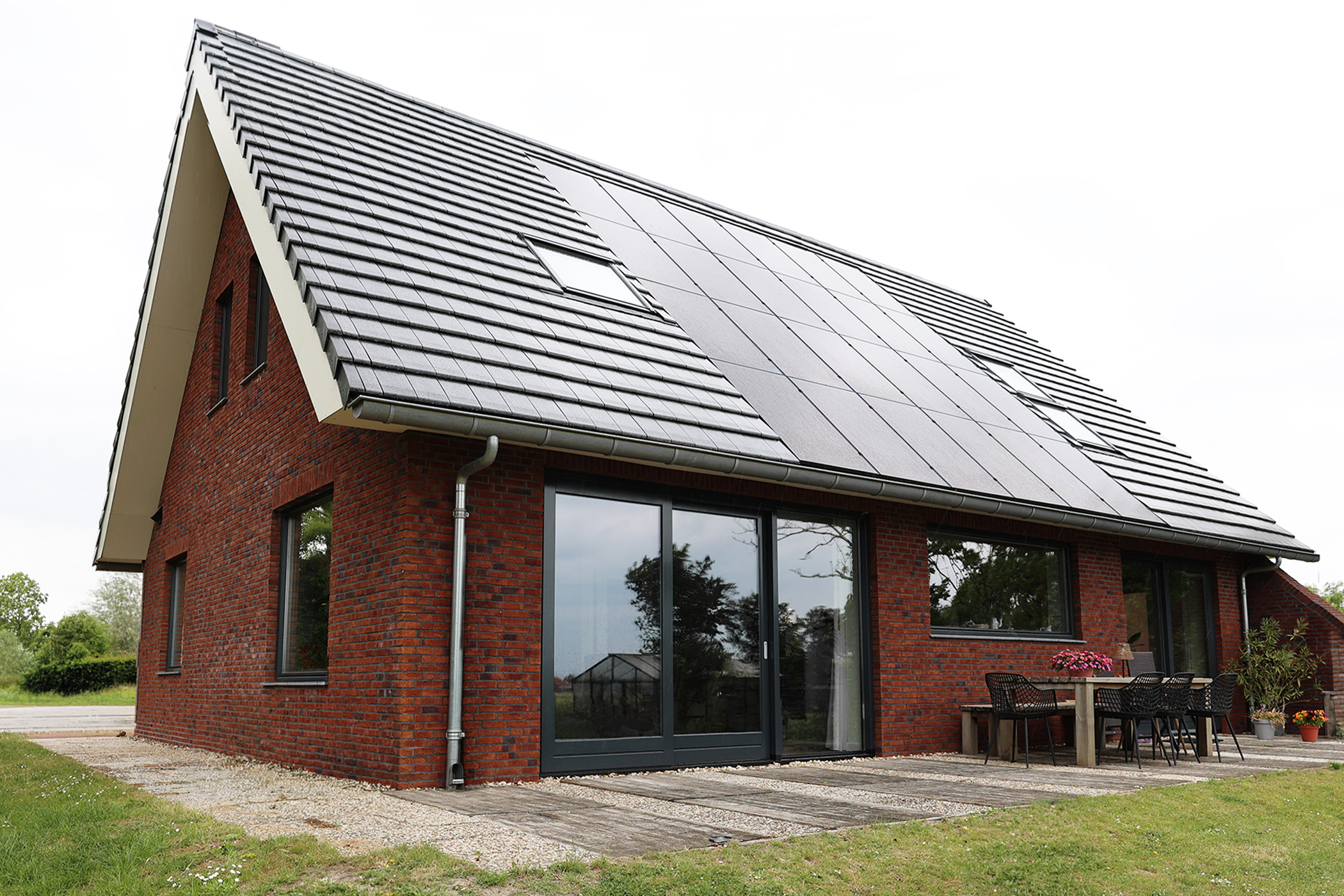
“They [visitors] are attracted to the home and often say they’d love one like it. They notice how open, comfortable, and breathable it feels.”
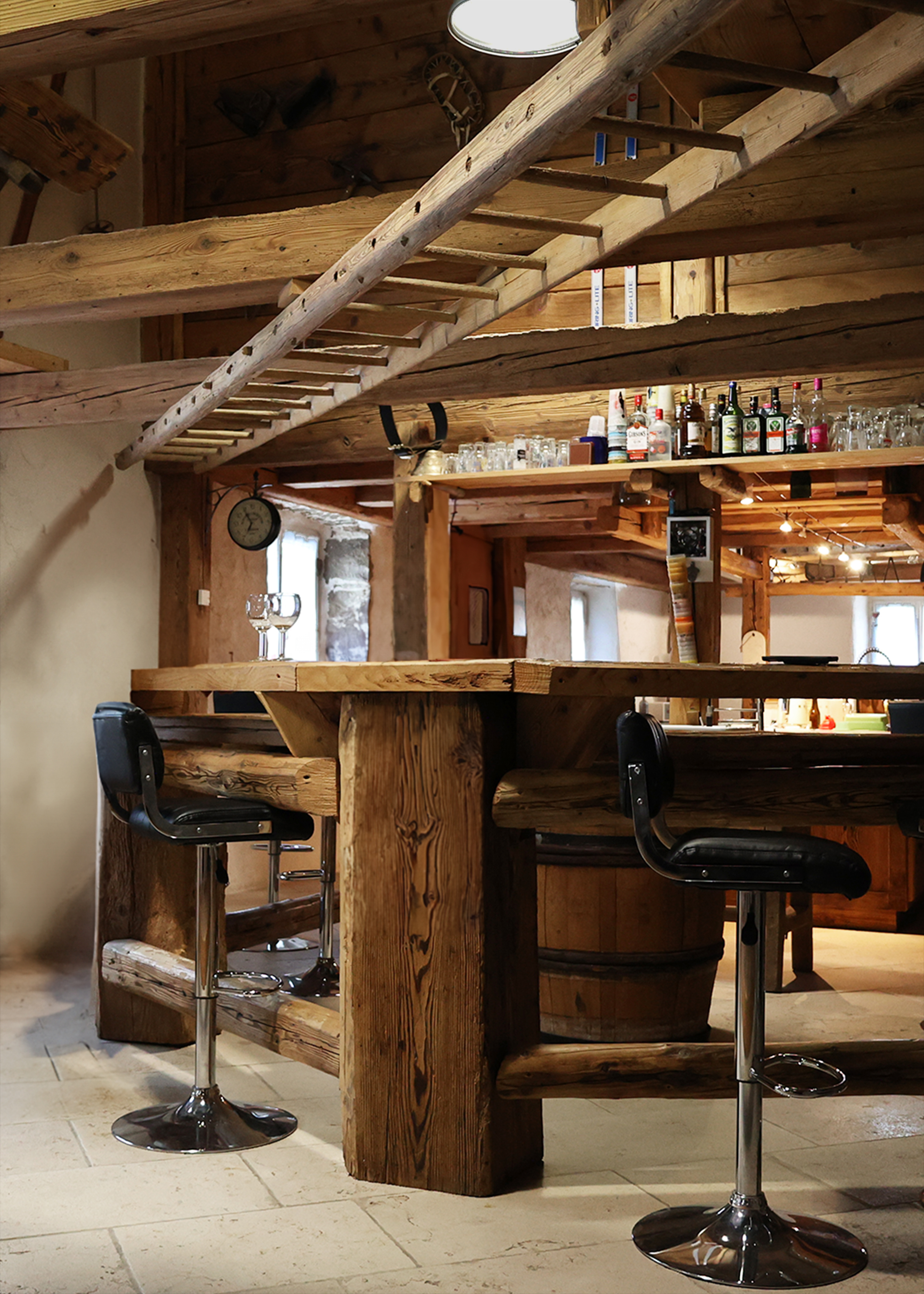
“We wanted natural insulation suited to the farmhouse. Hempcrete felt like the right choice.”
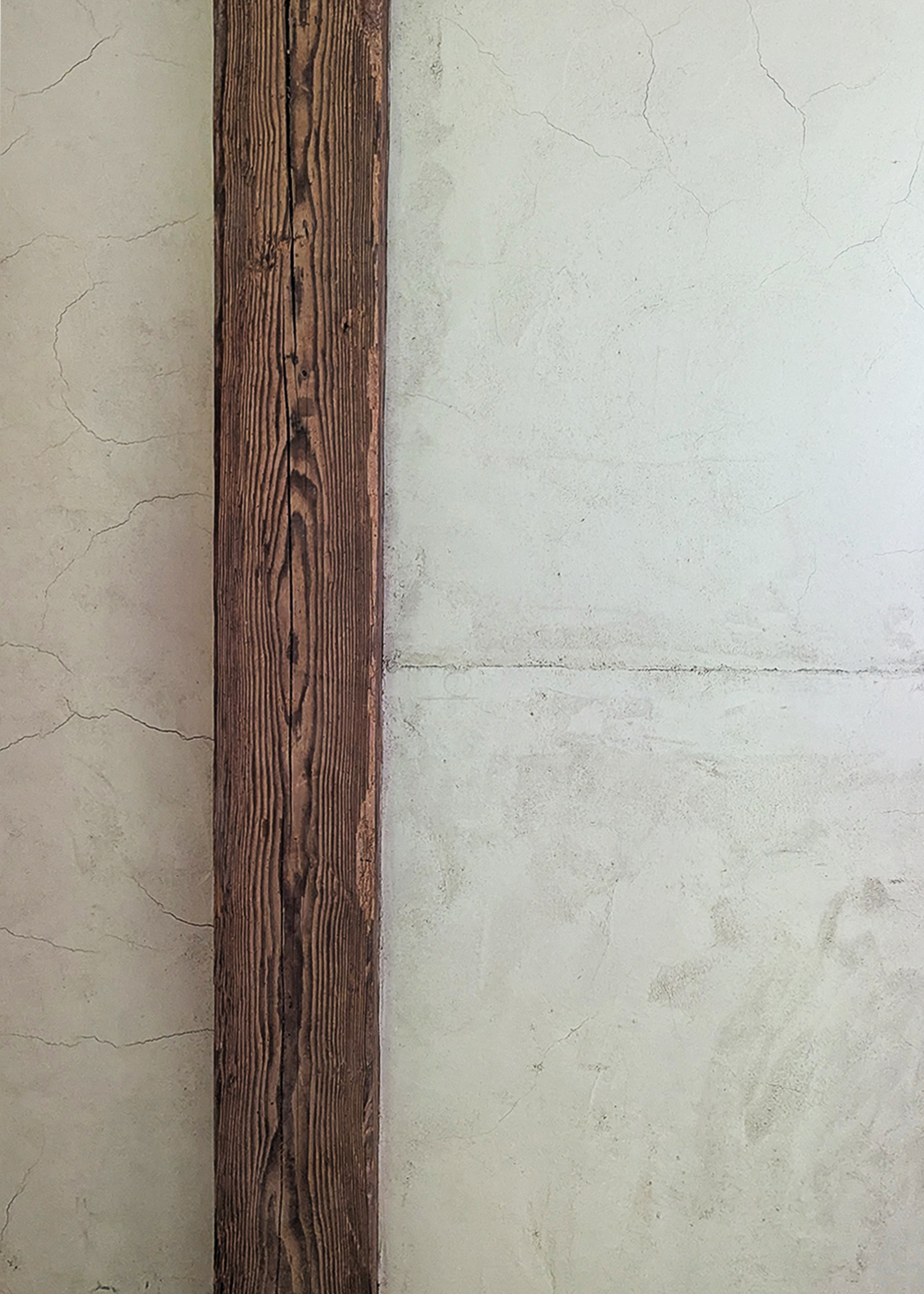
“We were looking for healthy insulation and construction materials—with good moisture regulation and no VOC emissions.”
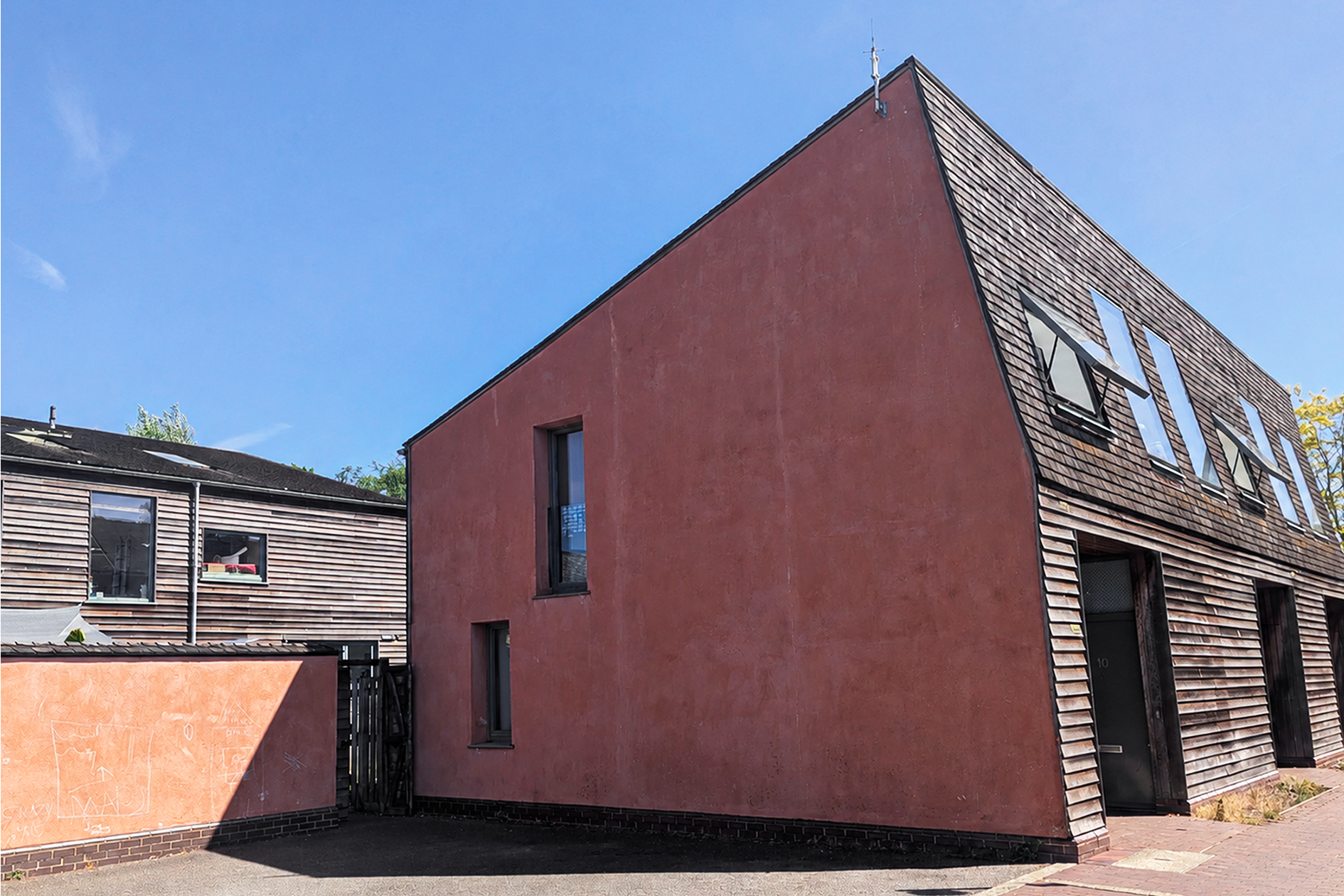
“It’s so eco-friendly, and just better for the environment. Using hemp instead of bricks makes so much more sense.”
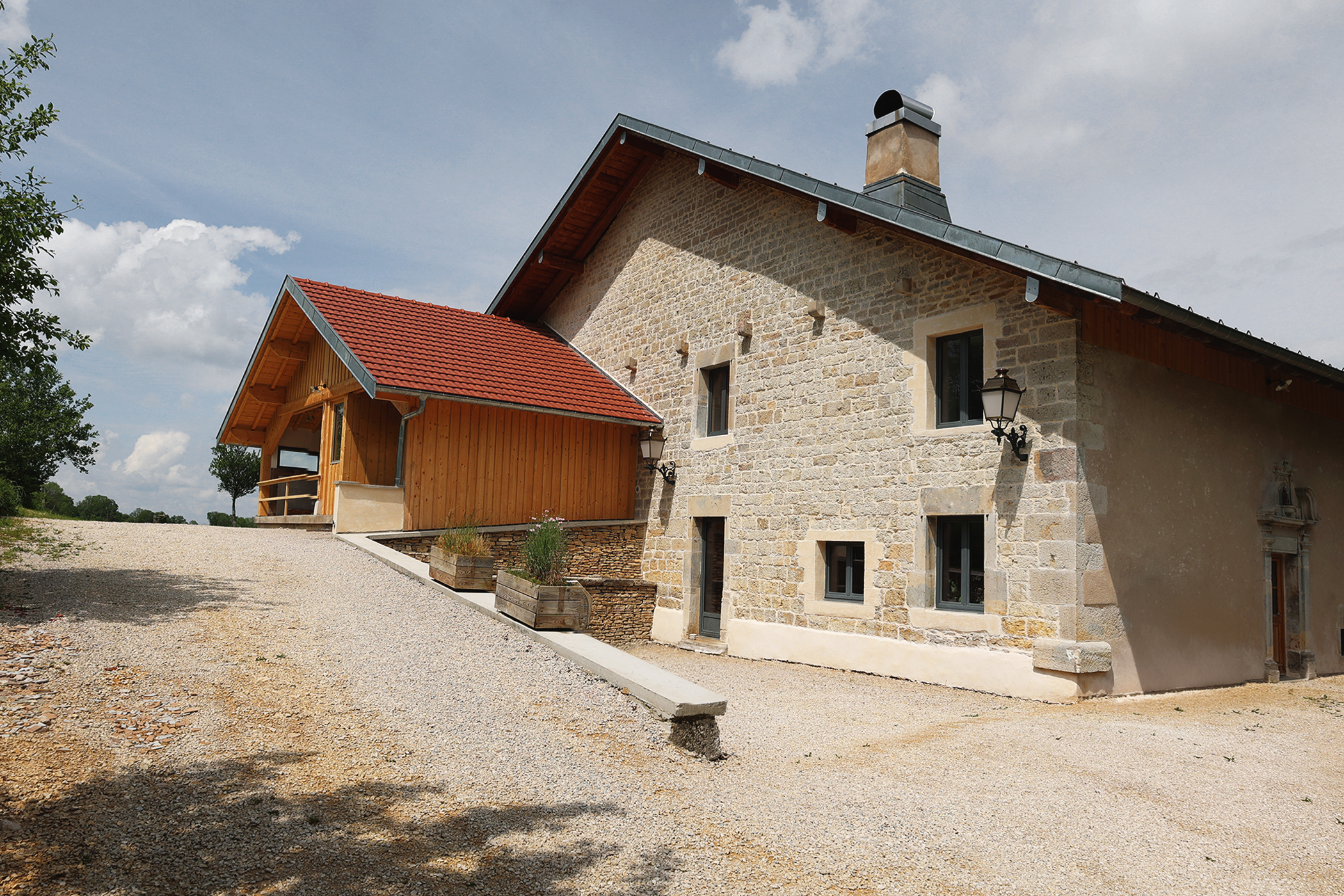
“Hemp spray is close in price to conventional materials. It's really about performance. You get temperature control, humidity control, and a range of other performance benefits.”
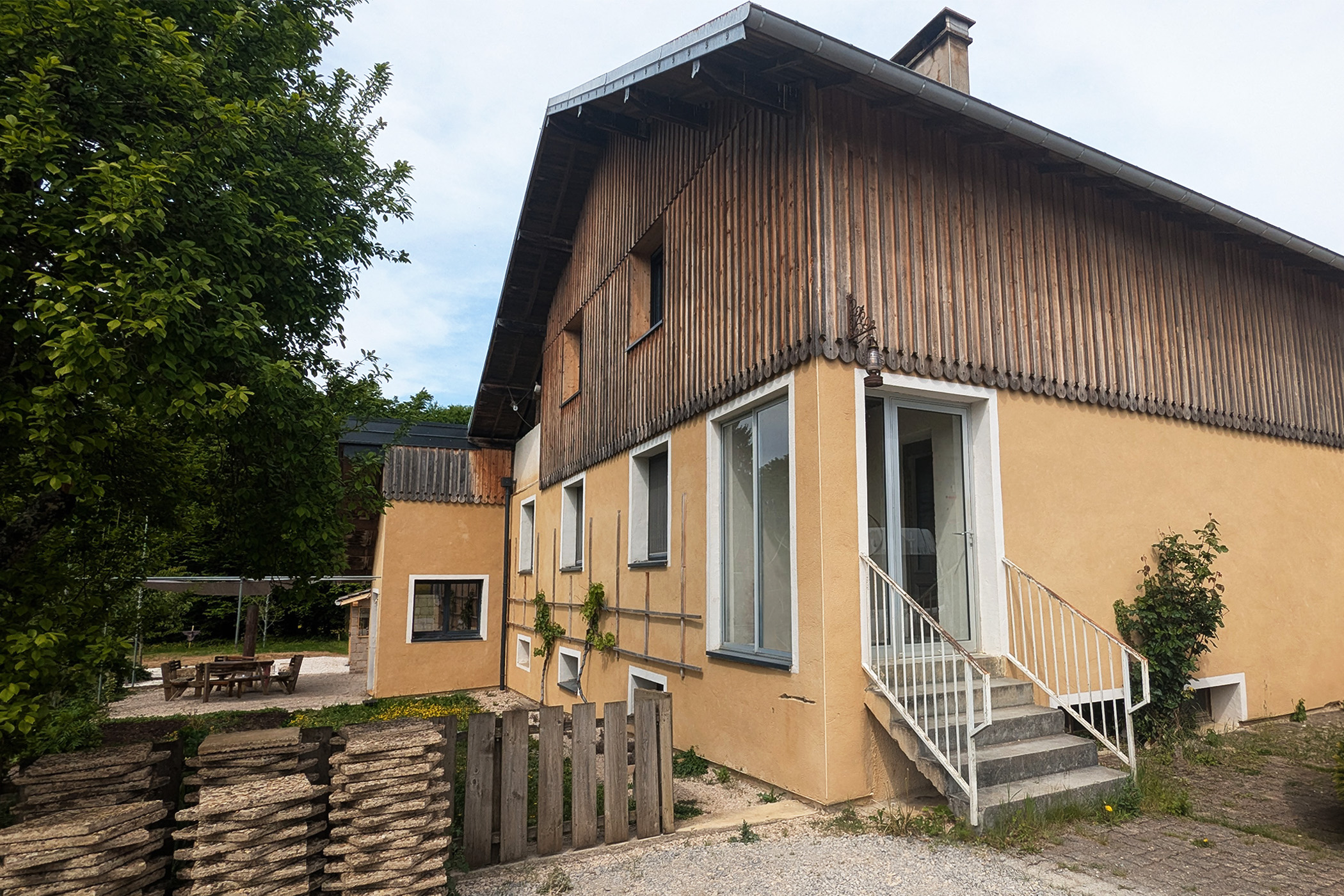
“My energy consumption has gone down. The house stays cool in summer, maintaining comfort with less heat.”
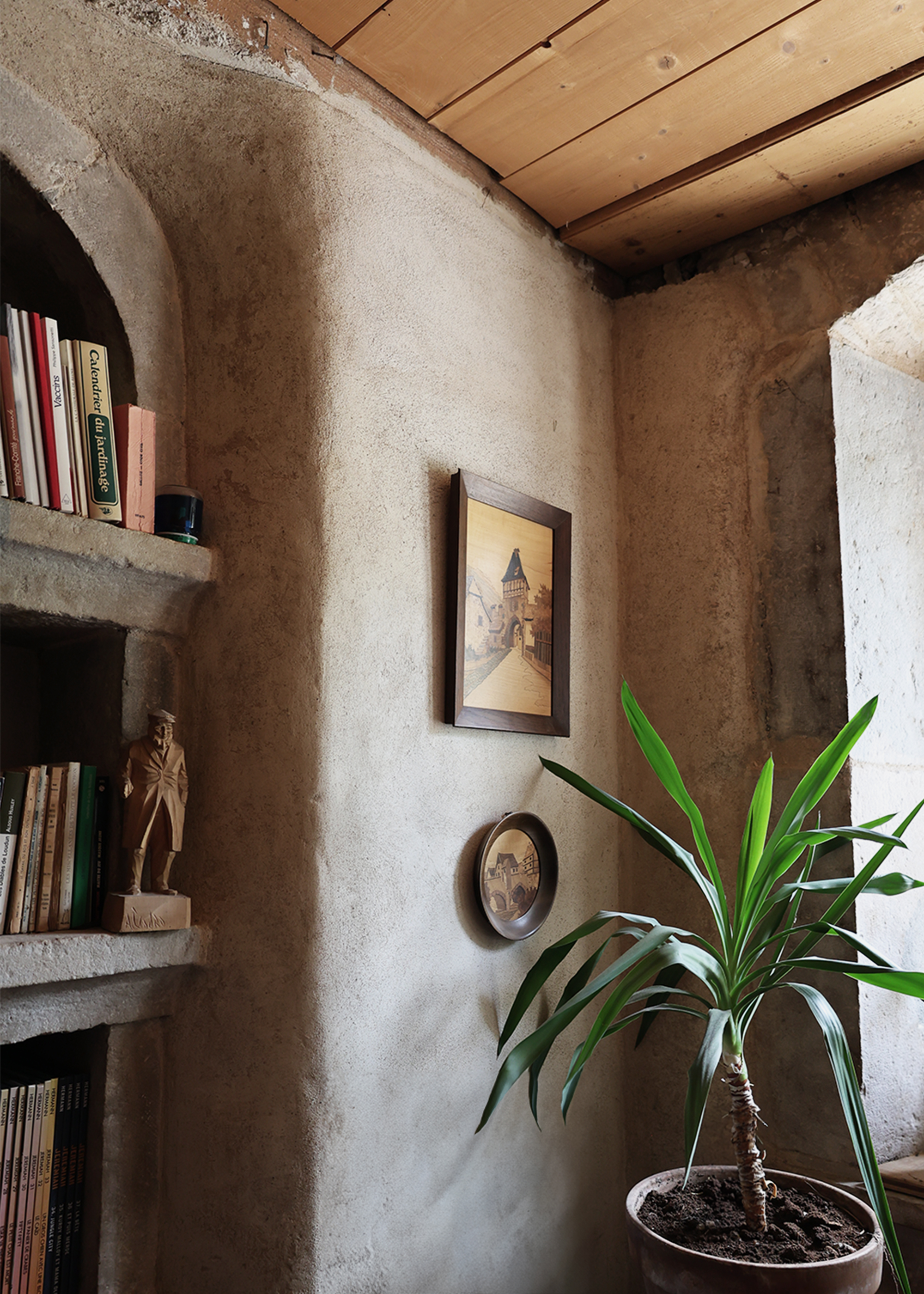
“Choosing ecological materials means thinking about the planet and the future, and that's where the decision begins.”
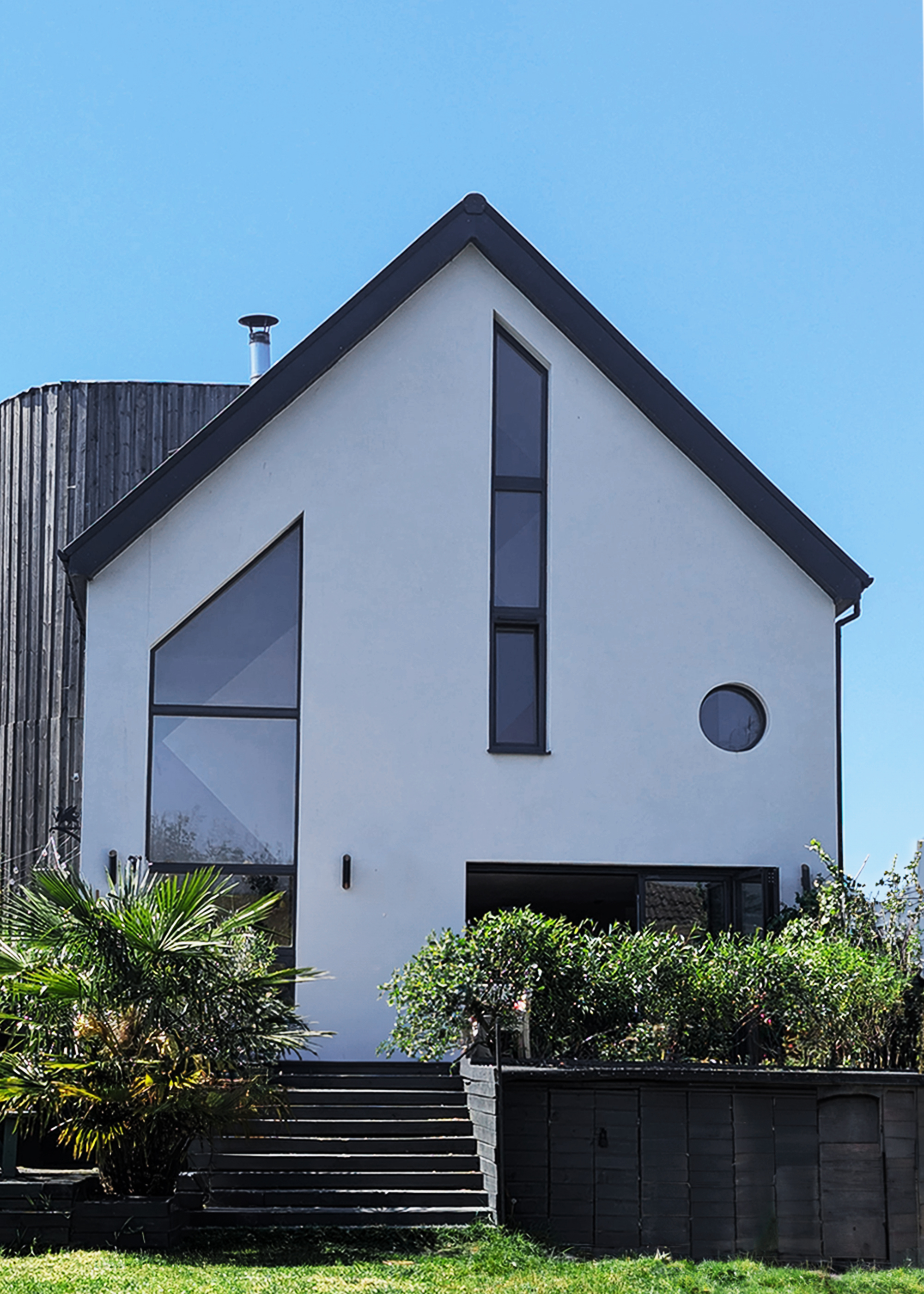
“We wanted to do something that was eco-friendly. I wanted the choice of materials to make the house my own.”
“They [visitors] are attracted to the home and often say they’d love one like it. They notice how open, comfortable, and breathable it feels.”
“It’s so eco-friendly, and just better for the environment. Using hemp instead of bricks makes so much more sense.”
“Hemp spray is close in price to conventional materials. It's really about performance. You get temperature control, humidity control, and a range of other performance benefits.”
“My energy consumption has gone down. The house stays cool in summer, maintaining comfort with less heat.”
“We wanted natural insulation suited to the farmhouse. Hempcrete felt like the right choice.”
“We were looking for healthy insulation and construction materials—with good moisture regulation and no VOC emissions.”
“Choosing ecological materials means thinking about the planet and the future, and that's where the decision begins.”
“We wanted to do something that was eco-friendly. I wanted the choice of materials to make the house my own.”
Before we buy a tool or rent an apartment, we read the reviews. We want to know how it holds up in daily life, not just what it's made of. The buildings we live in almost never get that.
Habitat Atlas changes that. We gather firsthand accounts from people who live in homes built with bio-based materials, and turn what they tell us into evidence anyone can use. We start with hempcrete: homes built from the hemp plant and lime. The platform will expand to other bio-based materials over time.
These firsthand accounts help take the risk out of building with bio-based materials. Prospective owners can choose with confidence; designers and builders can see what holds up in real life; manufacturers, educators, and policymakers get real-world proof to act on. One home, one story at a time, we're documenting what bio-based building is actually like to live in.
Already live in a hempcrete or other bio-based home? Your experience is exactly what this platform is built on. Please share your story.

CW1: Bodily comfort, feeling cozy, physical ease. The person's internal physical state — not a temperature number or sensory detail.